
How to Elevate Everyday Cooking with Artisan Balsamic Vinegar
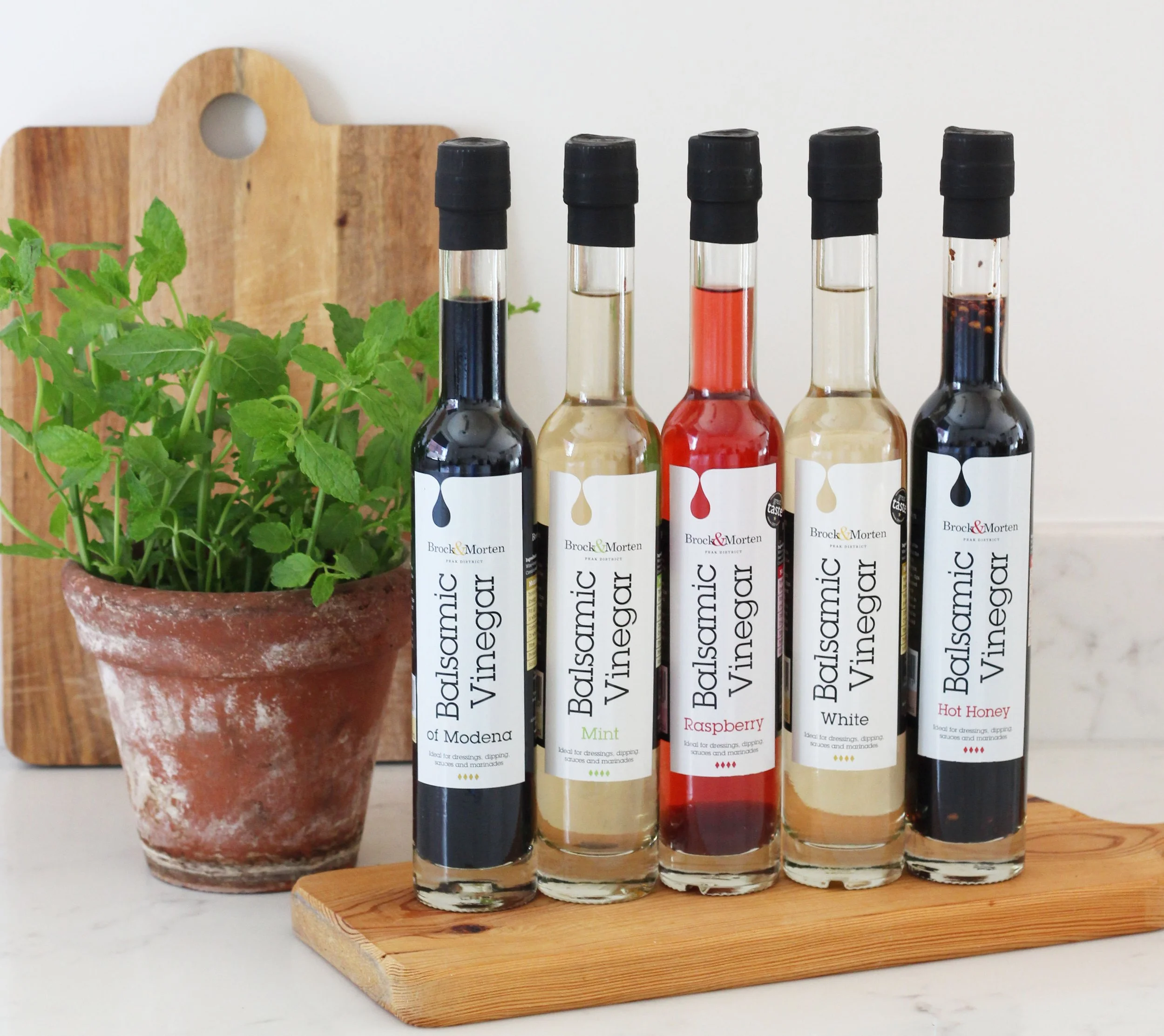
For those who view cooking not as a chore, but as an art form, ingredients matter. There is an unmistakable magic in opening your pantry and reaching for something crafted with patience, passion, and uncompromising quality.
While a bottle of fine balsamic vinegar is often reserved for a simple oil-and-vinegar salad dressing, doing so barely scratches the surface of what this liquid gold can accomplish in the kitchen. Traditional and infused balsamic vinegars bring a complex alchemy of natural sweetness, bright acidity, and deep, rounded depth to both sweet and savoury dishes.
At Brock & Morten, our passion for exceptional food drives everything we create. Our curated Italian Collection of artisan balsamic vinegars is designed to transform simple ingredients into restaurant-quality meals.
Here is how you can use each unique balsamic in our range to unlock bold new dimensions of flavour in your everyday cooking.

1. Classic Italian Balsamic Vinegar: Deep, Rich, and Unapologetically Versatile
A truly great traditional balsamic vinegar is the ultimate kitchen workhorse. Aged to perfection, it delivers a rich, syrupy consistency balanced by a clean, tart finish.
How to Use It:
The Pan Sauce Upgrade: After searing steak, duck breast, or pork chops, deglaze your hot pan with a splash of classic balsamic vinegar and a knob of cold butter. It creates an instant, glossy reduction that lifts all those caramelised pan bits into a rich, decadent sauce.
Roasting Vegetables: Toss root vegetables, red onions, or Brussels sprouts in rapeseed oil and traditional balsamic before roasting. As the heat hits the natural sugars in the vinegar, it creates a crisp, deeply caramelised crust.
Finishing Touches: Drizzle lightly over fresh burrata, ripe tomatoes, and torn basil, or over freshly shaved Parmesan cheese as an effortless antipasto.

2. White Italian Condiment (White Balsamic): Crisp, Delicate, and Bright
When you want the bright acidity and rich complexity of balsamic without darkening the color of your dish, White Italian Condiment is your secret weapon. Made by blending grape must with white wine vinegar cooked at low temperatures, it offers a lighter, fruitier profile with a cleaner finish.
How to Use It:
Light Salads & Grain Bowls: Perfect for delicate leafy greens, fennel and citrus salads, or summer grain bowls where a dark balsamic might overwhelm the visual appeal.
Seafood Marinades: White balsamic pairs effortlessly with light proteins. Use it as a base to marinate raw scallops, sea bass, or king prawns alongside fresh herbs and citrus zest.
Quick Pickling: Whisk white balsamic with a touch of sea salt to instantly pickle finely sliced red onions, cucumbers, or radishes for a punchy taco or sandwich topping.
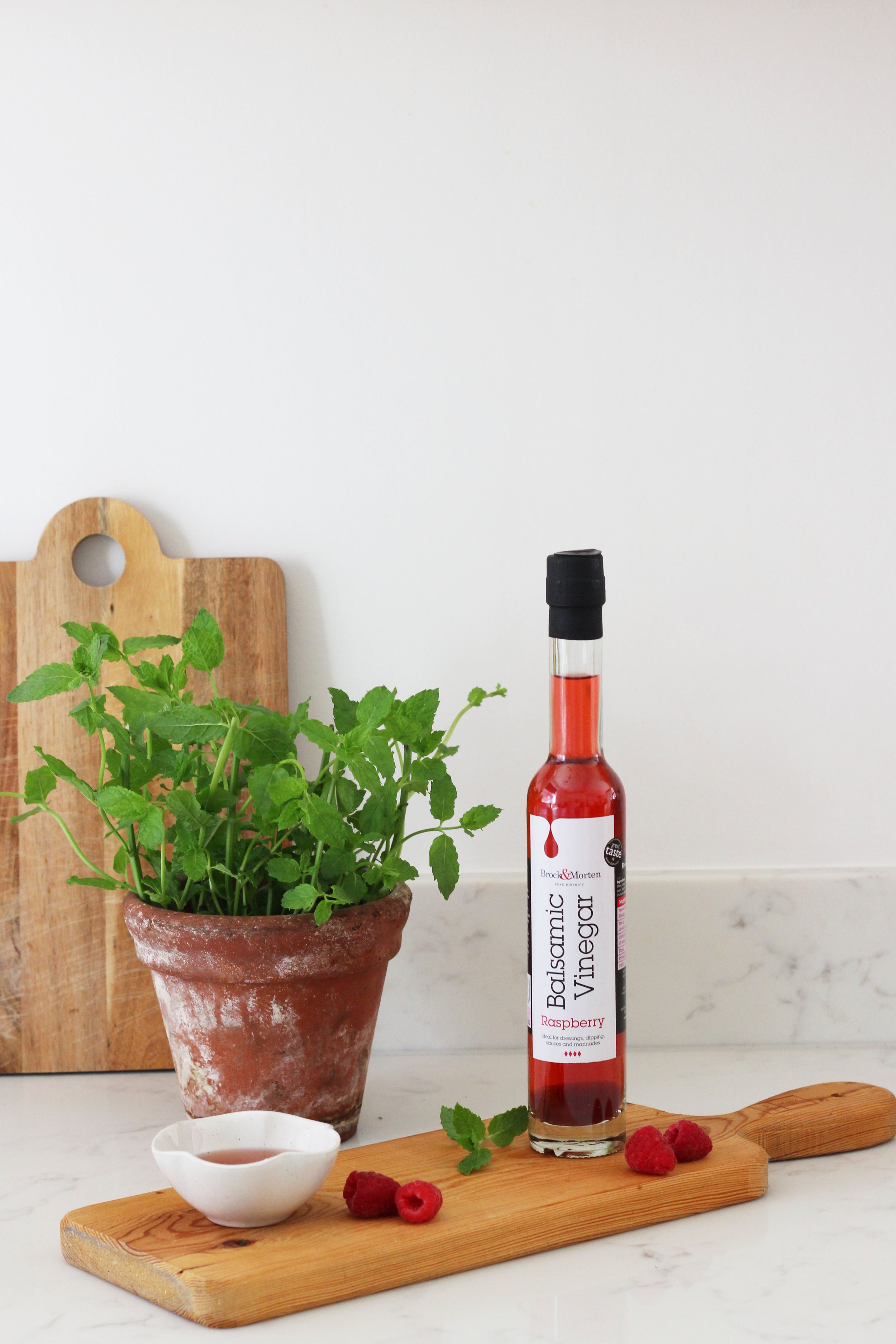
3. Raspberry Balsamic Vinegar: Fruity Depth Meets Decadent Contrast
Fruity, vibrant, and delightfully balanced, Raspberry Balsamic Vinegar brings an irresistible sweet-tart pop to the table. The natural tartness of raspberries cuts beautifully through rich, fatty ingredients.
How to Use It:
Game & Duck: Raspberry and rich meats are a match made in culinary heaven. Glaze a roasted rack of lamb or duck breast with raspberry balsamic during the final minutes of cooking to build a sticky, aromatic crust.
Cheese Pairing: Pour a pool of raspberry balsamic over a round of warm, baked Camembert or goat's cheese, served with crusty sourdough bread and toasted walnuts.
The Sweet Side: Don't stop at savory! Drizzle over warm chocolate brownies, vanilla bean gelato, or fresh summer berries for a sophisticated dessert pairing.
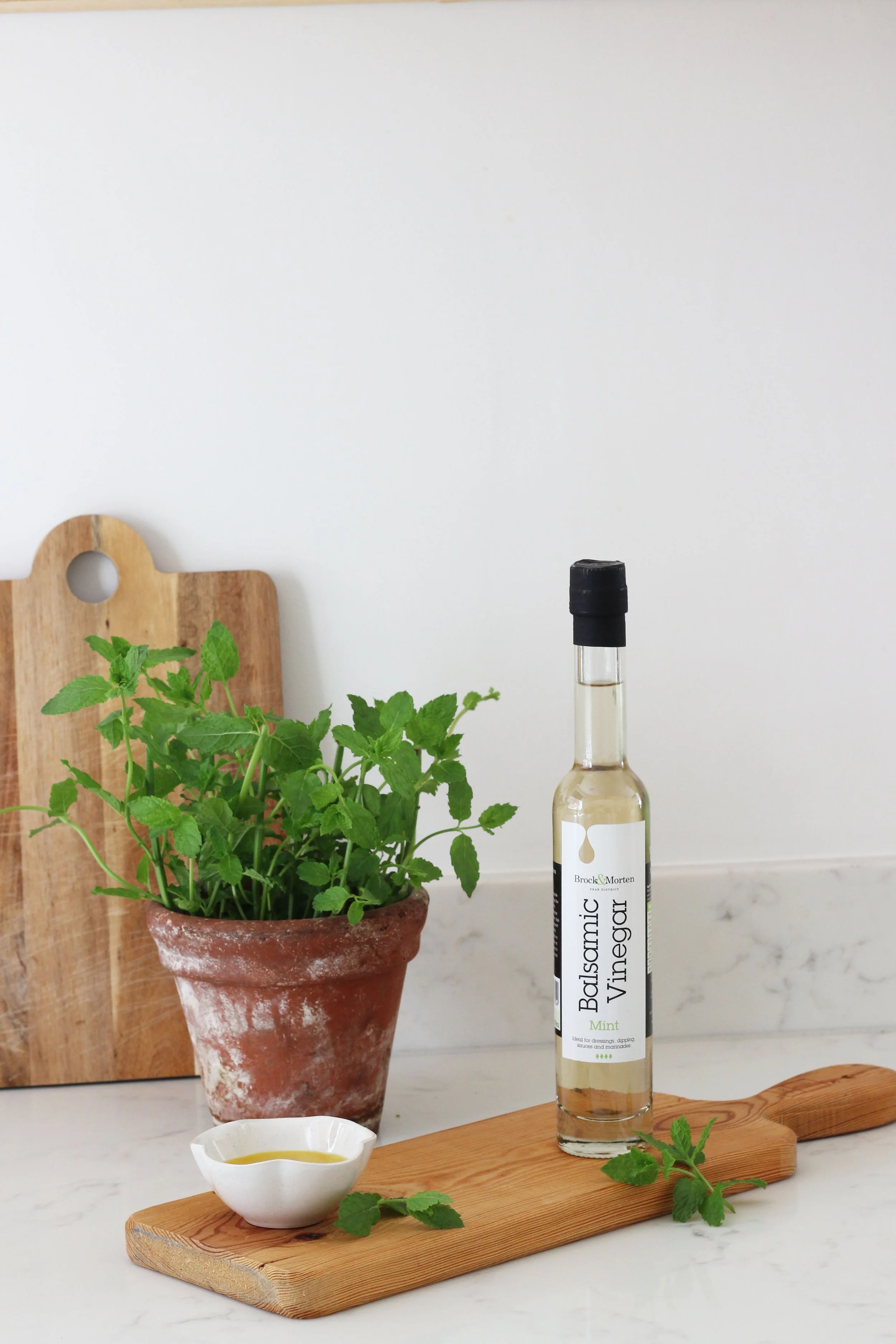
4. Mint Balsamic Vinegar: Clean, Herbal, and Refreshing
Bright and invigorating, Mint Balsamic Vinegar introduces a fresh, herbaceous note that immediately lifts heavy or savoury dishes. It offers a contemporary, refined twist on traditional mint pairings.
How to Use It:
Reinventing Sunday Roast Lamb: Ditch the sugary, store-bought mint sauce. Instead, drizzle mint balsamic vinegar over slow-roasted lamb shoulder or grilled lamb chops to cut through the rich fat with vibrant acidity.
Summer Salads: Combine mint balsamic with crumbled feta, watermelon, finely sliced red onion, and fresh cucumber for an ultra-refreshing warm-weather salad.
Peas & Greens: Toss sweet garden peas, broad beans, or grilled asparagus with a touch of butter and a dash of mint balsamic just before serving.

5. Hot Honey Balsamic Vinegar: The Ultimate Sweet-Heat Balance
Sweet heat continues to take the culinary world by storm, and our Hot Honey Balsamic Vinegar brings that sensation home. Combining the smooth, floral sweetness of honey with gentle chilli warmth and tangy balsamic depth, this flavor profile is addictively good.
How to Use It:
Gourmet Pizza Glaze: Drizzle Hot Honey Balsamic over a hot-out-of-the-oven pizza—especially those topped with spicy pepperoni, creamy mozzarella, or salty prosciutto.
Crispy Chicken & Wings: Toss freshly baked or fried chicken wings in hot honey balsamic for a sticky, sweet, and spicy coating that leaves you reaching for seconds.
Grilled Cheese & Charcuterie: Upgrade a grilled sourdough sandwich made with sharp Cheddar and bacon by brushing the inside with hot honey balsamic, or add a small dipping bowl to your next artisan charcuterie board.
Taste the Difference Quality Makes
When you start with real ingredients made with care, cooking doesn't need to be complicated to be extraordinary. A single splash of artisan balsamic vinegar can elevate an everyday meal into a memorable culinary experience.
Whether you're searing, roasting, drizzling, or baking, explore the full Brock & Morten collection today and discover your new favourite kitchen staple.
Our FAQs About Balsamic Vinegar
1. How should I store high-quality balsamic vinegar, and does it expire?
Because of its natural acidity, balsamic vinegar has an exceptionally long shelf life and rarely spoils. To preserve its complex flavour profile and aromas, store your bottle in a cool, dark place—such as a kitchen pantry or cellar—away from direct sunlight and heat sources like your oven. There is no need to refrigerate balsamic vinegar, as low temperatures can mute its natural flavours and sweet nuances.
2. What is the difference between classic balsamic vinegar and white balsamic vinegar?
While both originate from high-quality grape must, the key difference lies in the cooking and aging process. Classic balsamic vinegar is cooked down slowly to caramelize the grape sugars, resulting in a dark, rich, syrupy condiment. White balsamic (or White Italian Condiment) is cooked at lower temperatures under pressure to prevent golden caramelisation, yielding a lighter, fruitier flavour with a crisp acidity that won't discolour pale sauces or light-coloured dishes.
3. Can I cook with flavoured balsamic vinegars, or are they only for dressings and drizzling?
You can absolutely cook with them! While flavoured balsamic vinegars make delicious cold dressings, heating them gently concentrates their natural sugars and enhances their infused botanical or fruity notes. They excel as pan-deglazing liquids, sticky glazes for roasted meats and poultry, and warm reductions for roasted root vegetables. Just avoid high, harsh heat for prolonged periods to keep the delicate fruit and herb infusions vibrant.
4. How can I use flavoured balsamic vinegars in sweet dishes or desserts?
Balsamic vinegar and sweet flavours are a natural pair because vinegar’s acidity cuts through rich sugar and dairy. Fruity variations like Raspberry Balsamic Vinegar are divine drizzled over vanilla bean ice cream, fresh berries, or dark chocolate desserts. For a unique touch, try drizzling Hot Honey Balsamic over grilled figs with mascarpone or baked ricotta.
5. Are Brock & Morten balsamic vinegars suitable for vegan, vegetarian, and gluten-free diets?
Yes! Our balsamic vinegar collection contains high-quality natural ingredients free from gluten-containing grains. Except for products containing real honey (such as the Hot Honey Balsamic Vinegar), our classic, white, fruit, and herbal infused vinegars are completely plant-based and suitable for both vegetarian and vegan diets.
6. What is the best way to substitute flavoured balsamic vinegar for wine or lemon juice in a recipe?
Flavoured balsamic vinegars can easily step in whenever a recipe calls for bright acidity or a liquid deglazer. Substitute them in a 1:1 ratio for lemon juice, sherry vinegar, or wine when deglazing a pan or whipping up a marinade. Keep in mind the undertones: use Mint Balsamic where you want an herbaceous kick, or White Italian Condiment when you need acidity without altering the colour of a pale cream or butter sauce.
7. How do I make a thick balsamic reduction (glaze) at home?
Creating a rich, velvety glaze is simple. Pour your chosen Brock & Morten balsamic vinegar into a small saucepan over medium-low heat. Bring it to a gentle simmer and let it reduce by about half until it coats the back of a spoon. Because our vinegars already possess a natural, rich body, you won't need to add any extra refined sugars—just gentle heat to unlock a thick, luxurious finish.
